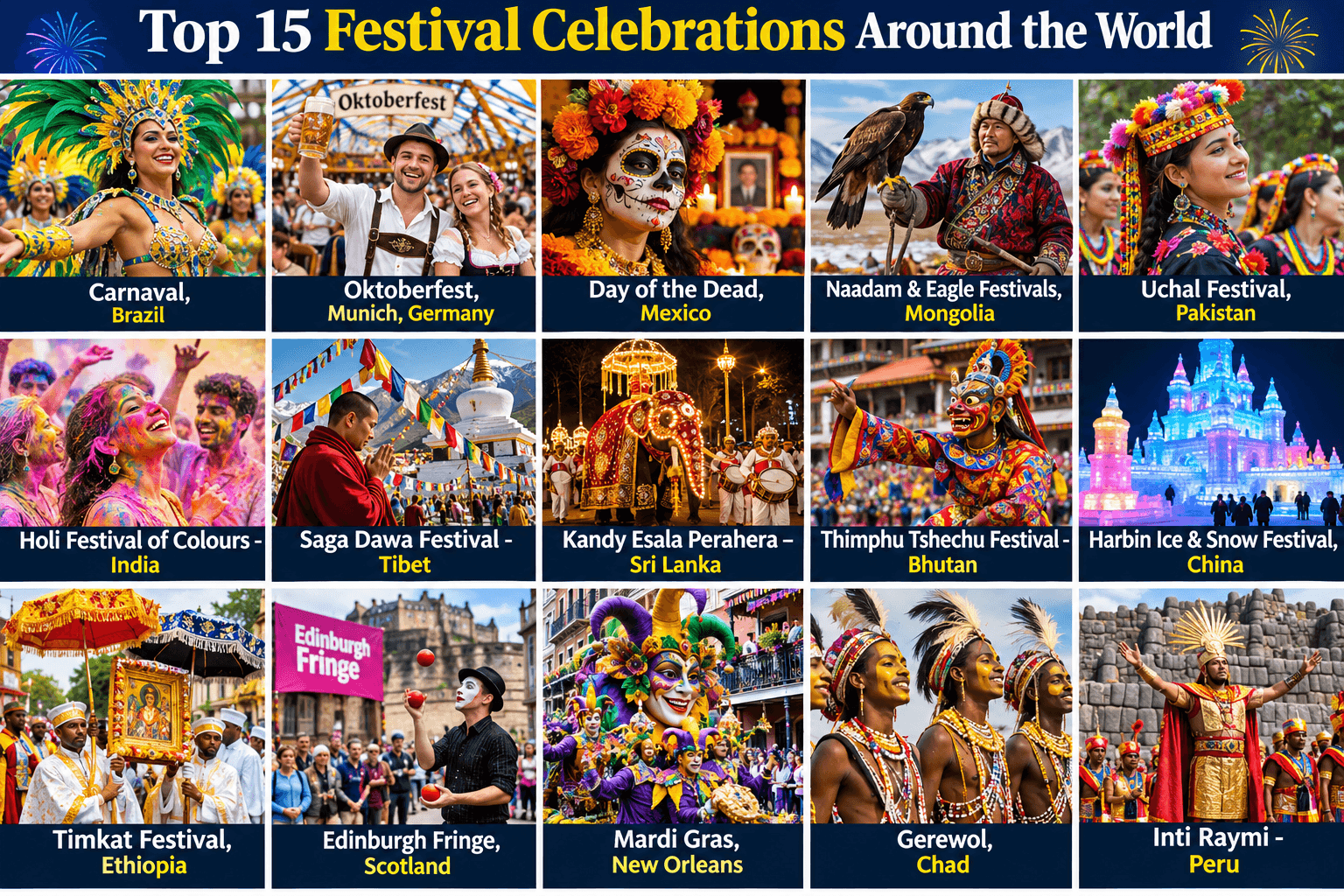

Festivals are among the most beautiful expressions of human culture, history, spirituality, and shared joy. Around the world, people gather to celebrate harvests, religious beliefs, seasonal changes, artistic traditions, and community pride through music, dance, costumes, rituals, and public events. These celebrations do much more than entertain visitors. They preserve the identity of a place, connect generations, and allow people to experience the heart of a community in a way that ordinary travel often cannot. Whether it is a colourful parade in Brazil, a spiritual ceremony in Tibet, or a tribal gathering in Chad, each festival tells a story about the people who created it and the values they continue to protect.
What makes global festivals truly fascinating is their diversity. Some are deeply sacred and reflect centuries of religious devotion, while others are lively public spectacles known for dancing, feasting, costumes, and music. A few are rooted in local folklore and seasonal cycles, while others are internationally famous and attract travelers from every corner of the world. Yet despite their differences, these celebrations share a common purpose. They bring people together, create unforgettable memories, and remind us that culture is best understood when it is lived, seen, heard, and felt. The following list explores fifteen of the most remarkable festival celebrations around the world, each offering its own unique atmosphere, traditions, and cultural meaning.
Carnaval, Brazil
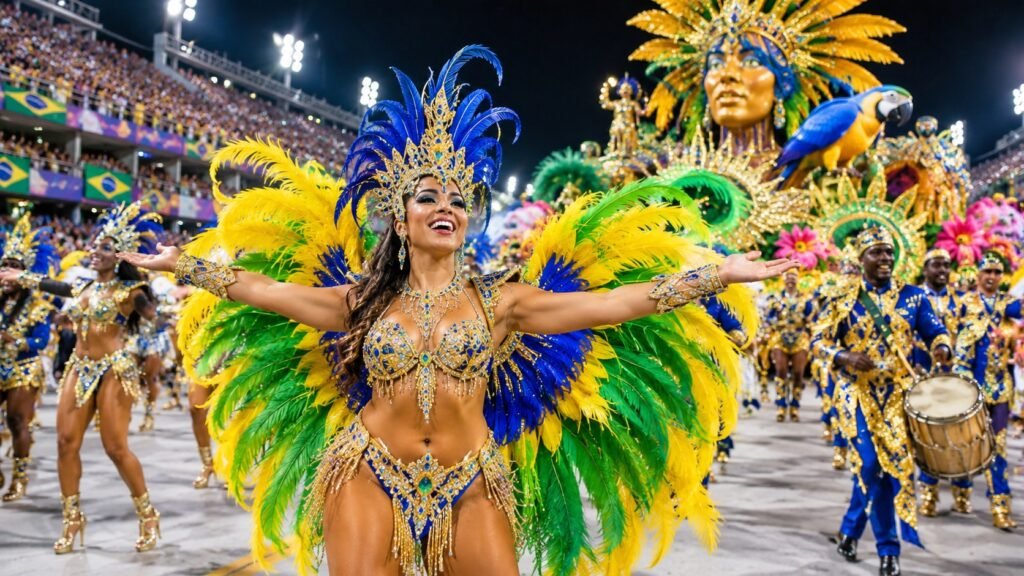
Carnaval in Brazil is one of the most famous and visually spectacular festivals in the world. Celebrated every year before Lent, it is especially associated with Rio de Janeiro, although many cities across Brazil hold their own vibrant versions of the event. Carnaval is known for its dazzling samba parades, extravagant costumes, elaborate floats, and nonstop street parties that fill entire neighborhoods with rhythm and energy. The festival has roots in Portuguese colonial traditions and Catholic observances, but over time it evolved into a uniquely Brazilian celebration shaped by African, Indigenous, and European cultural influences. This fusion of traditions is one of the reasons Carnaval feels so dynamic and unforgettable.
The highlight of Rio’s Carnaval is the performance of the samba schools in the Sambadrome. These schools spend months preparing themes, music, choreography, and costume designs to compete in a parade judged for creativity and execution. Beyond the formal performances, the city comes alive with blocos, or street parties, where locals and tourists dance together in an atmosphere of joy and freedom. Music plays a central role, especially samba, which is deeply connected to Brazilian identity. Carnaval is not just a party; it is also a symbol of artistic expression, community pride, and cultural resilience. For many people, attending Carnaval is a once-in-a-lifetime experience because it combines world-class performance, deep tradition, and unmatched public celebration.
Oktoberfest, Munich, Germany
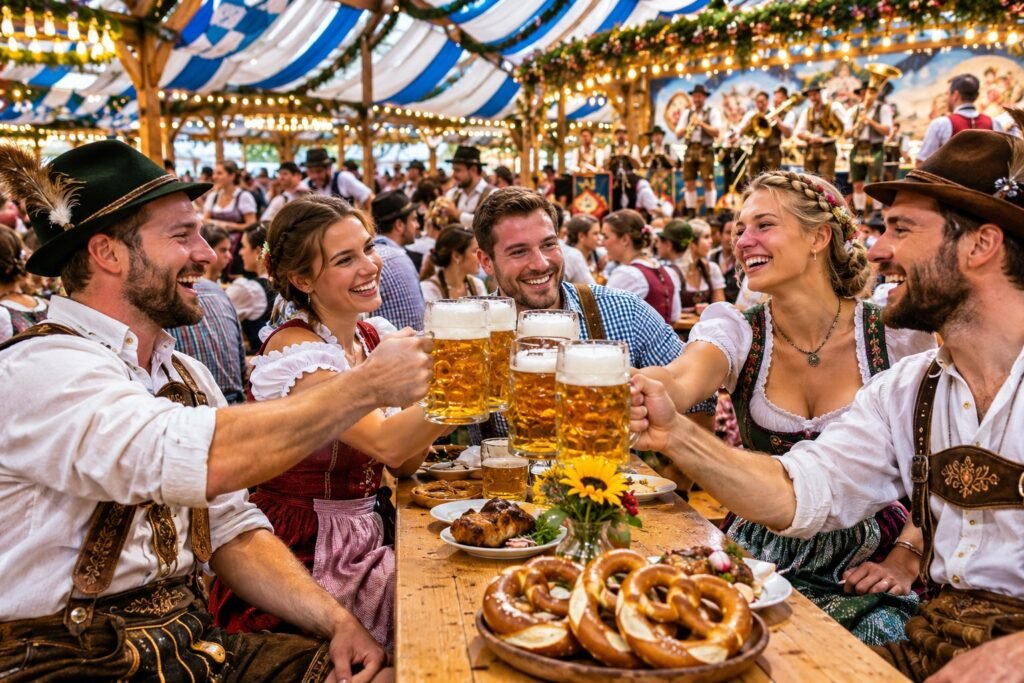
Oktoberfest in Munich, Germany, is the world’s most famous beer festival and one of Europe’s most iconic cultural events. First held in 1810 to celebrate the marriage of Crown Prince Ludwig and Princess Therese, the festival eventually became an annual tradition that now attracts millions of visitors from around the world. Despite its name, Oktoberfest begins in late September and usually continues into early October. The event takes place on the Theresienwiese fairgrounds in Munich, where enormous beer tents, amusement rides, traditional Bavarian music, and lively gatherings create an atmosphere that is both festive and deeply rooted in local heritage.
A major attraction of Oktoberfest is the opportunity to experience Bavarian culture in its most celebratory form. Visitors often wear traditional clothing, with men dressed in lederhosen and women in dirndls. Inside the beer tents, guests enjoy specially brewed Oktoberfest beer served in large steins alongside classic foods such as pretzels, sausages, roast chicken, and pork dishes. Brass bands perform folk music, and the atmosphere quickly becomes joyful and communal. Although beer is central to the celebration, Oktoberfest is also about hospitality, tradition, and regional pride. It offers families, tourists, and locals a chance to participate in a historical event that blends entertainment with heritage. The combination of tradition, scale, and festive spirit has made Oktoberfest an internationally recognized symbol of Germany.
Day of the Dead, Mexico
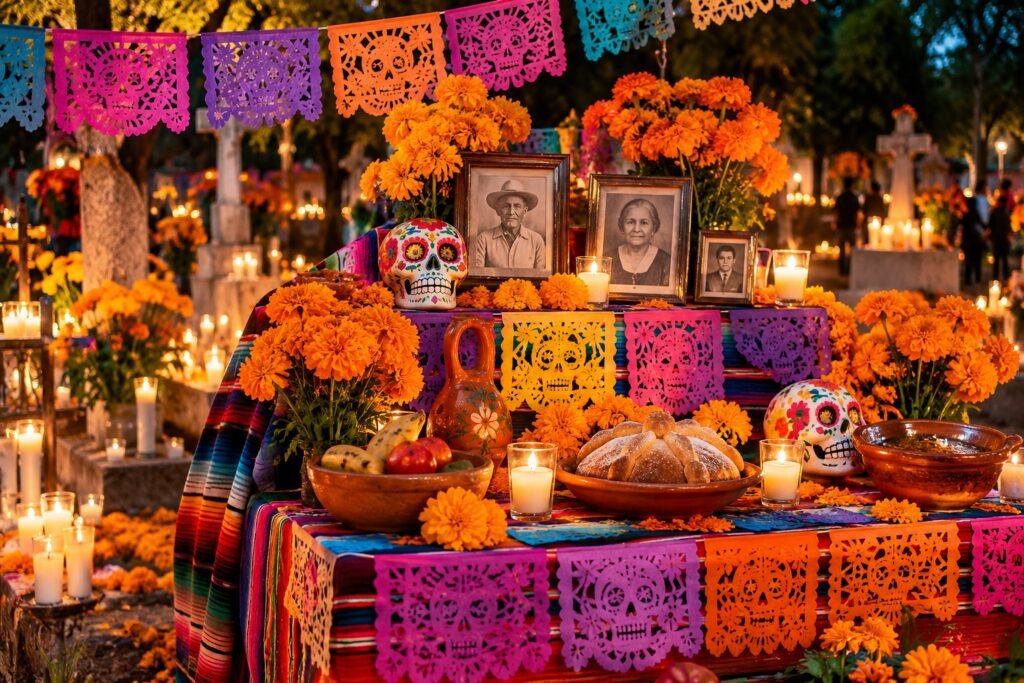
Day of the Dead, or Día de los Muertos, is one of Mexico’s most meaningful and visually distinctive celebrations. Observed mainly on November 1 and 2, this festival honors deceased loved ones and reflects a cultural understanding of death not as an ending, but as a continuing bond between the living and the dead. The celebration combines Indigenous beliefs, especially from the Aztec tradition, with Catholic influences brought during Spanish colonization. Rather than being a sorrowful occasion, Day of the Dead is filled with color, memory, symbolism, and affection. Families come together to remember those who have passed, creating a deeply emotional and culturally rich experience.
One of the central traditions of Day of the Dead is the creation of ofrendas, or altars, decorated with photographs, candles, marigold flowers, food, sugar skulls, and the favorite items of the deceased. These offerings are meant to welcome the spirits back to the world of the living for a brief reunion. Cemeteries are cleaned and decorated, and families often spend time there with music, prayers, and shared meals. Across Mexico, parades, artistic performances, face painting, and traditional breads such as pan de muerto add to the festive atmosphere. The celebration reflects respect for ancestry, family connection, and cultural continuity. For visitors, Day of the Dead offers far more than visual beauty. It provides a profound insight into Mexican identity and a moving perspective on remembrance, life, and love.
Naadam & Eagle Festivals, Mongolia
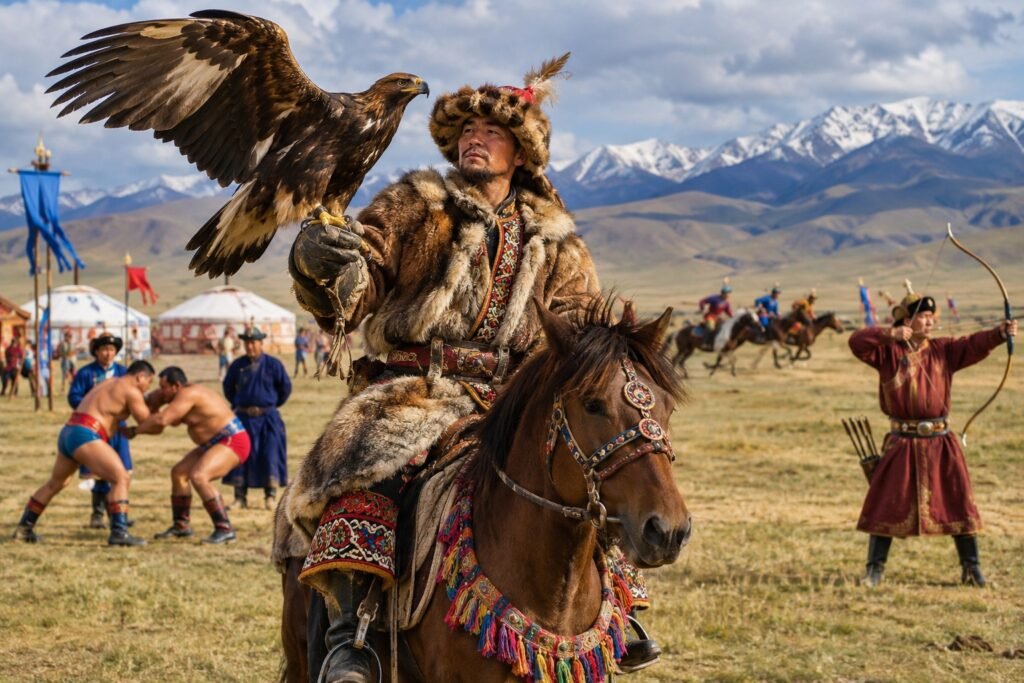
Mongolia is home to extraordinary festival traditions that reflect the country’s nomadic heritage, close relationship with nature, and deep respect for ancient customs. Two of the most celebrated events are the Naadam Festival and the Eagle Festival. Naadam is Mongolia’s national festival and is often called the “Three Manly Games” festival because it centers on wrestling, horse racing, and archery. It takes place in July and has roots that stretch back centuries, linked to military training and tribal gatherings. The Eagle Festival, usually held in western Mongolia, showcases the hunting traditions of Kazakh eagle hunters and offers a more regional but equally fascinating cultural experience.
Naadam is both a sporting event and a celebration of Mongolian identity. Traditional costumes, music, ceremonies, and large public gatherings create a proud national atmosphere. Horse races, often featuring child riders, take place over long open distances that reflect the realities of steppe life rather than stadium competition. Wrestling and archery also carry symbolic importance and highlight physical discipline and skill. The Eagle Festival, on the other hand, is visually striking because participants display their trained golden eagles, traditional fur clothing, and horsemanship. Competitions test the bond between hunter and bird, while cultural performances add to the event’s appeal. Together, these festivals reveal the endurance of nomadic traditions in the modern world and offer travelers a powerful encounter with Mongolia’s landscape, history, and living heritage.
Uchal Festival, Pakistan
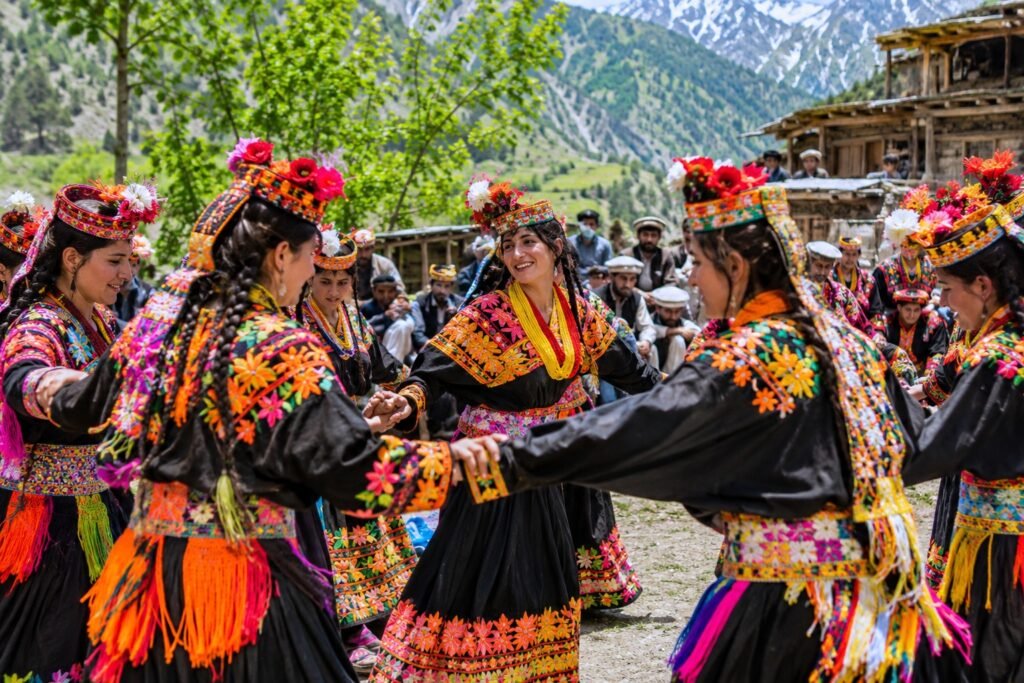
The Uchal Festival is a lesser-known but culturally significant celebration held in Pakistan, especially among the Kalash people of the Chitral region. This festival is associated with harvest season and expresses gratitude for agricultural abundance, livestock, and the blessings of nature. The Kalash community, known for its distinct traditions, colorful attire, and unique belief system, celebrates Uchal with music, dance, and communal joy. While Pakistan is often recognized for its diverse ethnic and regional cultures, festivals like Uchal highlight the importance of preserving local traditions that might otherwise remain outside global attention.
During the Uchal Festival, the Kalash people gather in their valleys wearing beautifully embroidered black robes, ornate jewelry, and floral headpieces. They sing traditional songs, perform circular dances, and participate in rituals linked to seasonal change and thanksgiving. Food is shared generously, and the social atmosphere strengthens community ties. The celebration is not just about entertainment; it is a reflection of identity, continuity, and the relationship between people and their environment. Visitors who witness Uchal often describe it as intimate, authentic, and deeply cultural. It offers a rare look into one of Pakistan’s most distinctive communities and demonstrates how local festivals can carry immense historical and emotional value. In a world of large-scale commercial celebrations, Uchal remains meaningful because of its simplicity, sincerity, and connection to heritage.
Holi Festival of Colours – India
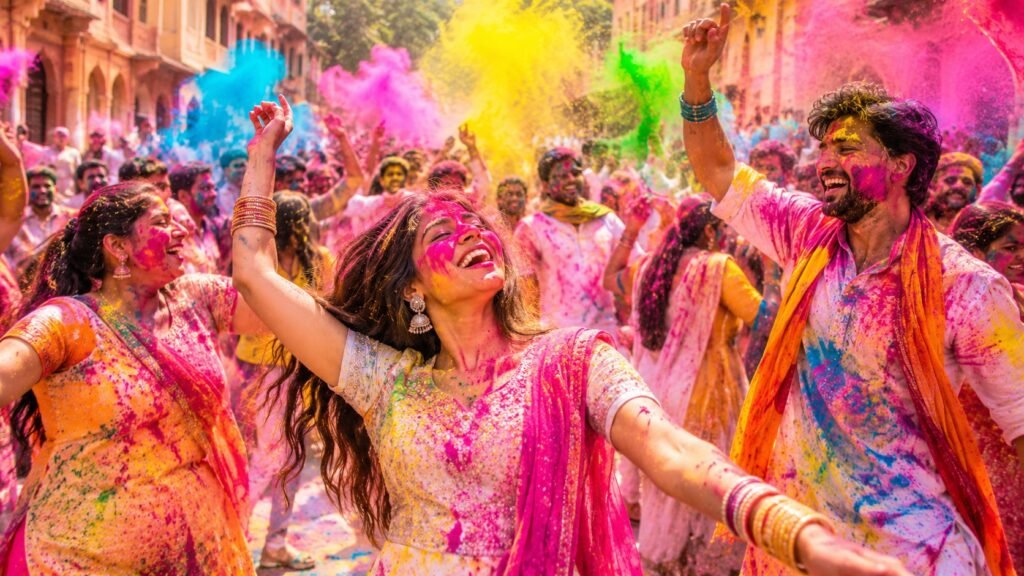
Holi, often called the Festival of Colours, is one of India’s most joyful and widely recognized celebrations. Usually observed in March, Holi marks the arrival of spring and symbolizes the triumph of good over evil. It has strong roots in Hindu mythology, especially stories related to Prahlad, Holika, and Lord Krishna. Over time, Holi has grown into a celebration of renewal, friendship, forgiveness, and shared happiness. Although it is a religious and cultural festival, its playful and inclusive spirit allows people from many backgrounds to participate.
The most iconic feature of Holi is the throwing of colored powders and water. Streets, courtyards, and public spaces transform into lively scenes of laughter, music, and bright clouds of color. People greet one another, sing, dance, and celebrate with festive foods such as gujiya and drinks like thandai. On the eve of Holi, bonfires are lit in many places to symbolize the destruction of negativity and evil. Holi is remarkable because it temporarily removes social barriers and encourages openness, joy, and human connection. In many communities, old conflicts are set aside and relationships are renewed. For travelers, Holi offers an unforgettable sensory experience, but its real beauty lies in its symbolism. It celebrates life, unity, and emotional renewal in a way that is both culturally rich and universally uplifting.
Saga Dawa Festival – Tibet
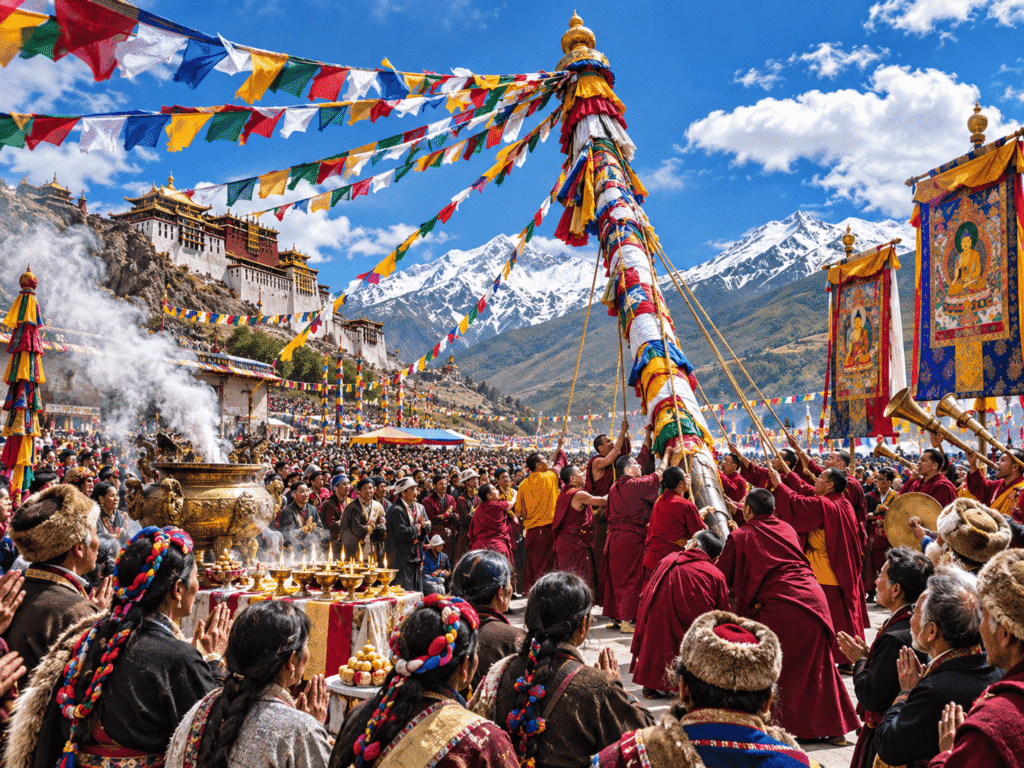
Saga Dawa is one of the most sacred festivals in Tibetan Buddhism and holds deep spiritual meaning for Buddhist communities in Tibet and the Himalayan region. The festival commemorates three major events in the life of Buddha: his birth, enlightenment, and passing into nirvana. It usually takes place in the fourth month of the Tibetan lunar calendar, with the full moon day being the most significant. Unlike more entertainment-driven festivals, Saga Dawa is centered on devotion, compassion, merit, and religious reflection. It offers an opportunity to witness Tibetan spirituality in a profound and visible form.
During Saga Dawa, pilgrims travel to monasteries and sacred sites, where they offer prayers, spin prayer wheels, light butter lamps, and perform acts of generosity. One of the most important traditions is the raising of a giant prayer flag pole, especially near Mount Kailash and other holy places. Many Tibetans avoid harmful actions during this period and increase charitable deeds because it is believed that actions performed during Saga Dawa carry greater spiritual merit. The atmosphere is solemn yet deeply moving, filled with chanting, ceremonial dress, and collective devotion. For visitors, the festival reveals the central place of faith in Tibetan life and the enduring importance of compassion, mindfulness, and spiritual discipline. Saga Dawa stands out not because of spectacle, but because of the depth of meaning it holds for those who celebrate it.
Kandy Esala Perahera – Sri Lanka
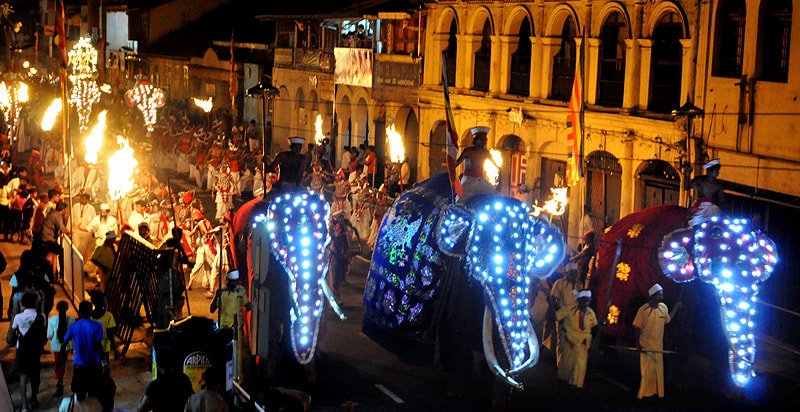
Kandy Esala Perahera is one of Sri Lanka’s grandest and most revered cultural festivals. Held annually in the city of Kandy, it is a historic Buddhist procession that honors the Sacred Tooth Relic of Buddha, which is enshrined in the Temple of the Tooth. The festival usually takes place over several nights during July or August and combines religious devotion with magnificent public pageantry. It is considered one of Asia’s most impressive ceremonial processions because of its scale, elegance, and cultural significance.
The streets of Kandy come alive with elaborately decorated elephants, traditional drummers, dancers, fire performers, whip crackers, and ceremonial officials in richly designed costumes. The final nights of the procession are especially elaborate, with one elephant carrying a replica casket symbolizing the Sacred Tooth Relic. The rhythmic music, torchlight, and precise movement of performers create a mesmerizing atmosphere. Kandy Esala Perahera is more than a parade; it is a public act of reverence and a symbol of Sri Lankan cultural continuity. It reflects the blending of Buddhist tradition with older ritual practices and local artistic forms. For visitors, the festival offers a rare opportunity to witness devotion expressed through movement, sound, and visual splendor. It remains one of the most unforgettable and spiritually resonant festivals in South Asia.
Thimphu Tshechu Festival – Bhutan
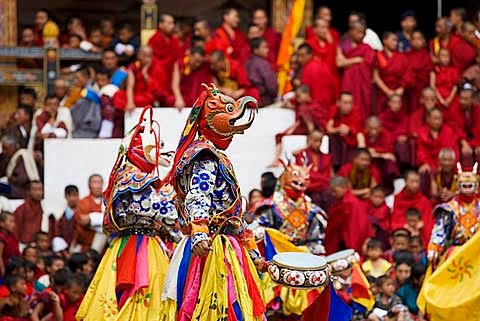
The Thimphu Tshechu Festival is one of Bhutan’s most important religious and cultural events, held annually in the capital city of Thimphu. Tshechus are traditional Buddhist festivals celebrated throughout Bhutan in honor of Guru Rinpoche, the revered figure who introduced Buddhism to the Himalayas. The Thimphu Tshechu is particularly notable because of its prominence, large attendance, and impressive monastic performances. It draws both locals and visitors who come to witness sacred mask dances, rituals, and the vibrant cultural life of Bhutan.
The festival is famous for cham dances performed by monks and laymen wearing elaborate masks and richly colored robes. These dances are not merely theatrical; they carry religious symbolism and are believed to convey blessings, remove obstacles, and teach moral and spiritual lessons. The festival grounds become a meeting place for families and communities, with many people wearing their finest traditional dress. The atmosphere combines devotion, celebration, and social gathering. One of the highlights is the unfurling of a giant religious scroll known as a thangka, displayed for blessings before dawn. For travelers, the Thimphu Tshechu provides insight into Bhutan’s unique balance between spiritual life and cultural preservation. It is a festival where art, religion, identity, and community merge beautifully, showing why Bhutan remains one of the world’s most culturally distinctive nations.
Harbin Ice & Snow Festival, China
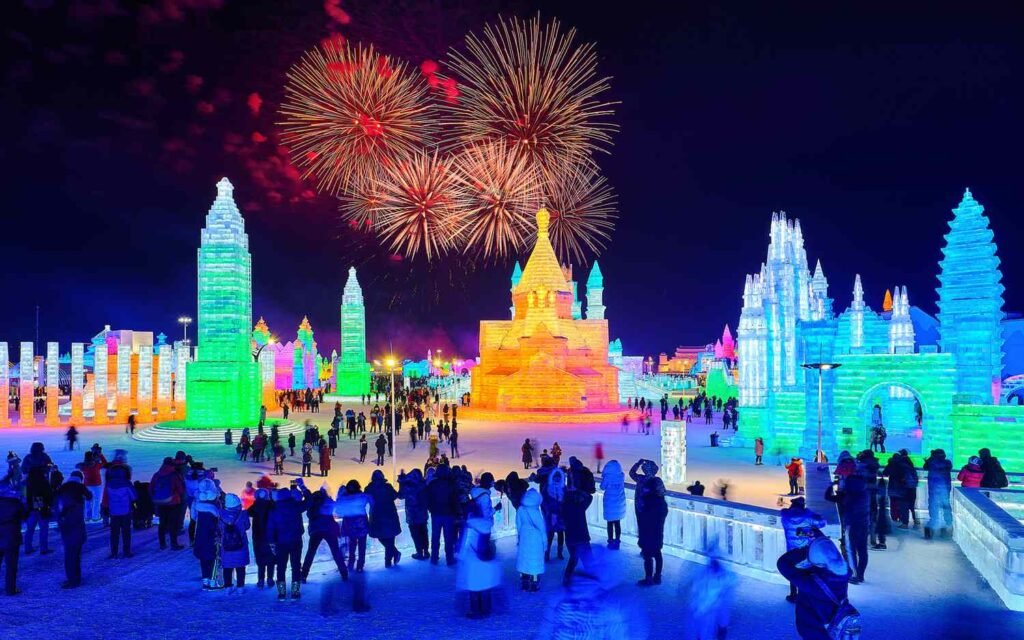
The Harbin Ice & Snow Festival in China is one of the most extraordinary winter festivals in the world. Held in Harbin, in northeastern China, this event transforms freezing temperatures into an artistic advantage by creating a city of ice and snow. Usually beginning in early January and lasting for several weeks, the festival is famous for its giant ice sculptures, illuminated structures, winter sports, and nighttime displays that look almost magical. Harbin’s cold climate provides the ideal conditions for this celebration, making it a global attraction for both artists and travelers.
At the heart of the festival are massive ice palaces, bridges, towers, slides, and replicas of famous landmarks carved from blocks taken from the nearby Songhua River. During the day, the sculptures impress through their detail and scale, but at night they become even more spectacular when lit with colorful lights. Snow sculpture exhibitions, ice lanterns, skating activities, and winter performances add to the experience. The festival combines engineering, artistry, and public entertainment on a remarkable scale. It also highlights Harbin’s unique historical and cultural identity, shaped by both Chinese and international influences. Visitors often feel as though they have stepped into a fantasy world built entirely from frozen materials. The Harbin Ice & Snow Festival proves that seasonal extremes can become a source of beauty, creativity, and community celebration.
Timkat Festival, Ethiopia
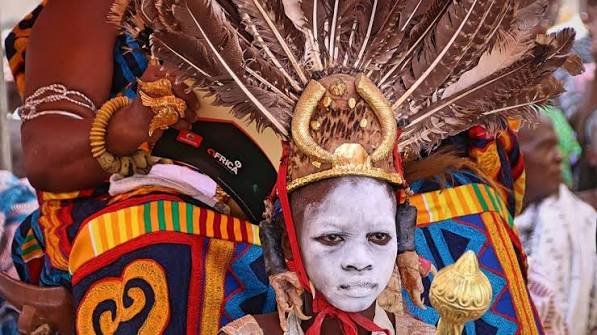
Timkat is the Ethiopian Orthodox Christian celebration of Epiphany and is one of the most sacred and visually compelling festivals in Africa. It commemorates the baptism of Jesus in the River Jordan and is usually celebrated in January. Timkat is observed throughout Ethiopia, but some of the most notable celebrations take place in cities such as Gondar, Lalibela, and Addis Ababa. The festival combines solemn religious devotion with public ceremony, music, and community participation, creating an atmosphere that is both spiritual and festive.
A key part of Timkat is the ceremonial procession of the tabot, a replica of the Ark of the Covenant, from churches to a body of water or a specially prepared pool. Priests dressed in colorful robes carry the tabot under ornate umbrellas while worshippers sing, pray, and follow the procession with deep reverence. The following day, the water is blessed and used for baptismal renewal, symbolizing purification and spiritual rebirth. The event is filled with ancient chants, white traditional clothing, and a strong sense of collective faith. Timkat is deeply meaningful because it reflects the continuity of Ethiopia’s ancient Christian heritage and the central role of religion in everyday life. For visitors, witnessing Timkat offers a powerful encounter with living faith, sacred tradition, and communal devotion expressed on a national scale.
Edinburgh Fringe, Scotland
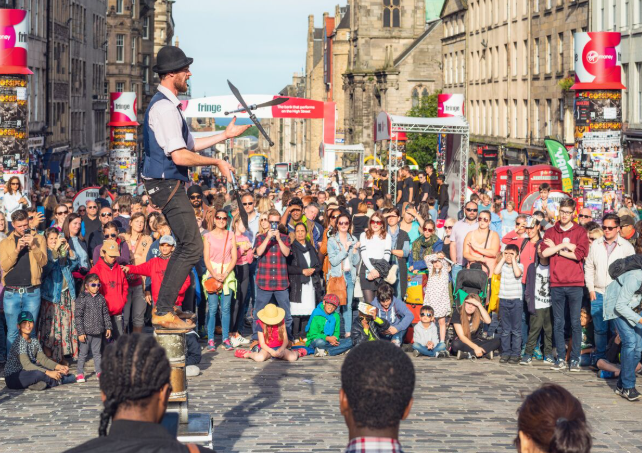
The Edinburgh Festival Fringe, commonly known as the Edinburgh Fringe, is the world’s largest arts festival and one of the most exciting cultural gatherings anywhere. Held every August in Scotland’s capital, the festival began in 1947 when performers who were not officially invited to the Edinburgh International Festival created their own independent shows. That spirit of openness and artistic freedom continues today, making the Fringe a global platform for theater, comedy, music, dance, spoken word, and experimental performance. It is not a traditional folk or religious festival, but it is unquestionably a major modern celebration of creativity.
What makes the Edinburgh Fringe special is its scale and accessibility. Thousands of performers from around the world stage shows in theaters, streets, pubs, tents, and temporary venues across the city. Audiences can move from one performance to another, discovering established artists and emerging talents in the same day. Street performers, promotional teams, and outdoor entertainers create a lively atmosphere that turns the entire city into a cultural playground. The festival encourages innovation because almost anyone with a show and a venue can participate. This democratic and exploratory nature has helped launch many successful careers, particularly in comedy and theater. For visitors, the Fringe is a celebration of imagination and expression, proving that festivals can also be intellectual, artistic, and deeply inspiring. It captures the idea that culture thrives when artists are given freedom and audiences are open to discovery.
Mardi Gras, New Orleans
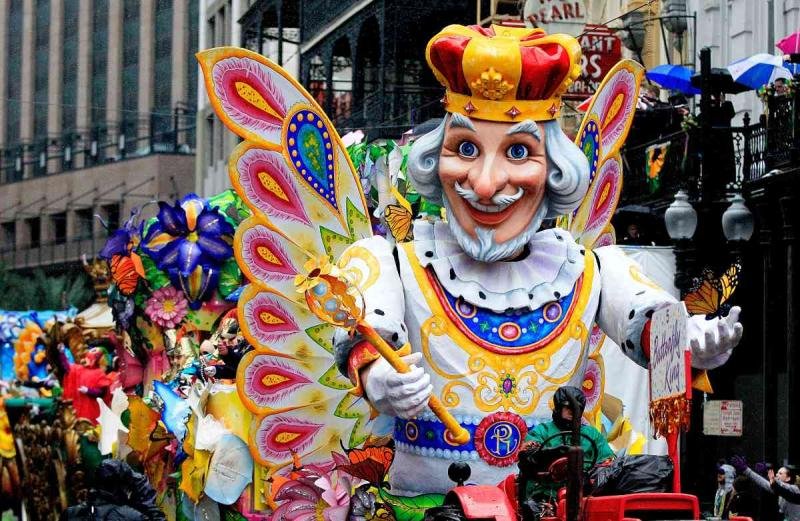
Mardi Gras in New Orleans is one of the most vibrant and iconic celebrations in the United States. Rooted in Catholic tradition, Mardi Gras marks the final day before Lent begins, but in New Orleans it has evolved into a citywide cultural phenomenon with a character all its own. Influenced by French, Spanish, African, and Creole heritage, the festival combines parades, music, elaborate costumes, masked balls, and public revelry. While Mardi Gras is celebrated in various places around the world, New Orleans has made it legendary through its distinctive traditions and festive atmosphere.
The celebration includes a series of parades organized by social groups known as krewes, each with its own history, theme, and style. Floats move through the streets while riders throw beads, coins, and other trinkets to cheering crowds. The city fills with jazz, brass bands, and parties that continue day and night. Costumes and masks are essential parts of the celebration, allowing people to embrace fantasy, performance, and social playfulness. Beyond the lively surface, Mardi Gras reflects the complex cultural history of New Orleans and the city’s talent for turning tradition into spectacle. It is festive, theatrical, and communal all at once. For many visitors, Mardi Gras is unforgettable because it captures the spirit of New Orleans itself: musical, expressive, layered, and joyfully alive.
Gerewol, Chad
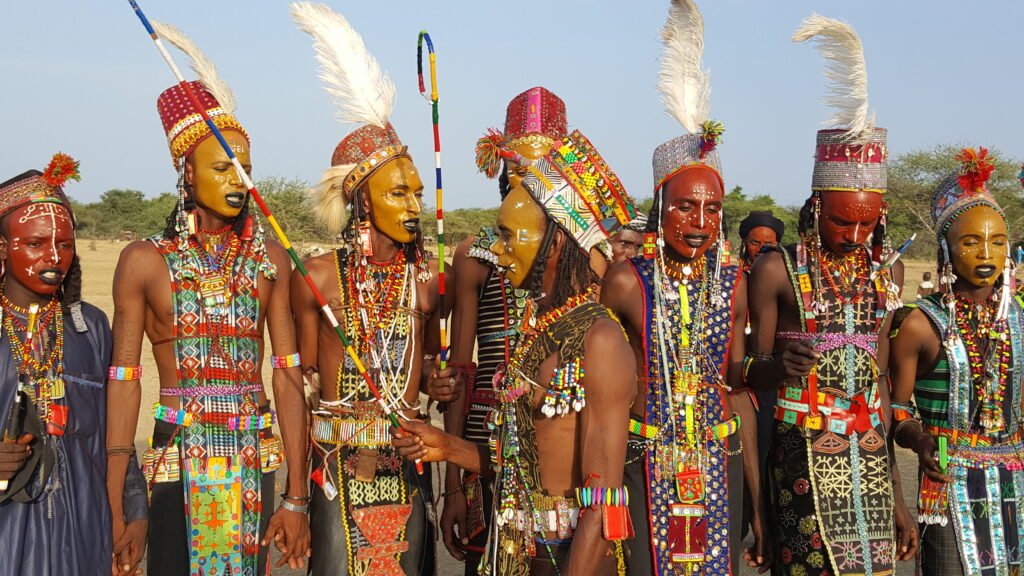
Gerewol is one of the most unique and visually striking festivals in the world, celebrated by the Wodaabe people of Chad and neighboring regions of the Sahel. This annual gathering is best known for its courtship rituals, beauty contests, and traditional performances in which men dress elaborately and dance to attract female attention. Gerewol is deeply rooted in pastoral nomadic culture and provides insight into social values, aesthetics, and identity within the Wodaabe community. Unlike many festivals focused on religion or harvest, Gerewol is strongly associated with beauty, romance, and social connection.
During the festival, men apply makeup, wear decorative clothing, and accentuate features considered attractive, such as height, white teeth, and expressive eyes. They perform dances and songs for hours while women observe and choose those they admire. The performances are graceful, repetitive, and highly symbolic, revealing how beauty standards and gender roles are culturally shaped. Gerewol also serves as a gathering point for families and communities who spend much of the year moving with livestock across remote landscapes. It strengthens social ties and allows cultural traditions to be passed on through participation and observation. For outsiders, the festival is fascinating not only because of its visual beauty, but also because it challenges common assumptions about courtship and celebration. Gerewol stands as a remarkable example of how festivals can reflect the values and artistic expressions of a specific way of life.
Inti Raymi – Peru
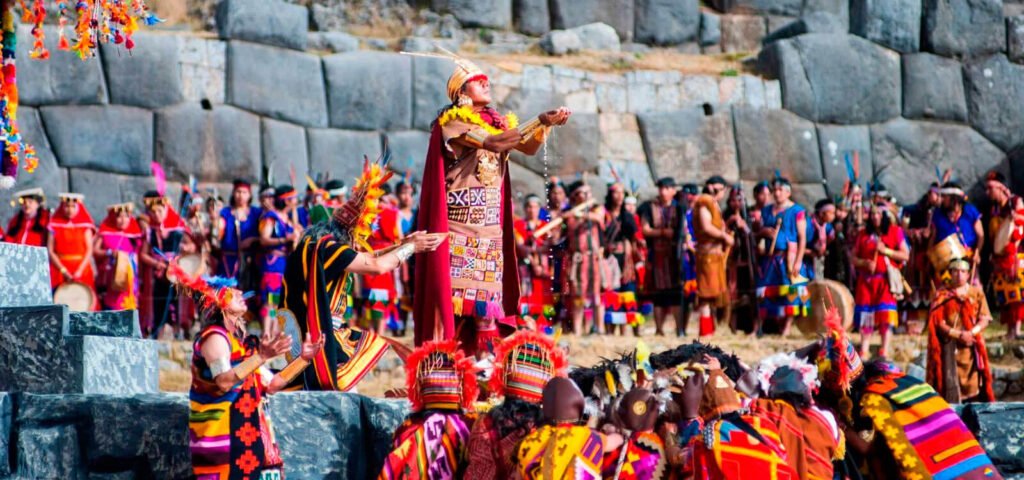
Inti Raymi, or the Festival of the Sun, is one of Peru’s most important cultural celebrations and a powerful tribute to the heritage of the Inca civilization. It takes place each year in Cusco around the winter solstice in the Southern Hemisphere, usually on June 24. Historically, Inti Raymi was dedicated to Inti, the Inca sun god, and marked a time of gratitude, renewal, and hopes for agricultural prosperity. Although the original imperial ceremony was suppressed during the colonial era, the festival was revived in the twentieth century as a major historical reenactment and cultural event.
Today, Inti Raymi is celebrated with dramatic performances, traditional costumes, music, and ceremonial processions that recreate the grandeur of the Inca court. The event begins at significant historical sites and culminates at the fortress of Sacsayhuamán, where actors portray the emperor, priests, and attendants in a ritual offering to the sun. The celebration draws thousands of spectators and serves as both a tourist attraction and a source of national and Indigenous pride. Inti Raymi is especially meaningful because it reconnects modern Peru with an ancient civilization whose cultural legacy remains deeply influential. It is a festival of memory, identity, and reverence for nature’s cycles. For visitors, Inti Raymi offers a striking blend of history, performance, and cultural continuity in one of South America’s most historically significant cities.
Festivals offer some of the richest ways to understand the world because they reveal how communities express faith, gratitude, joy, creativity, memory, and belonging. From the samba rhythms of Brazil and the prayer-filled ceremonies of Tibet to the icy artistry of Harbin and the ancestral remembrance of Mexico, each celebration on this list reflects a different way of experiencing life through culture. Some festivals are globally famous, while others remain closely tied to local communities, but all of them deserve appreciation because they preserve tradition while creating powerful shared experiences in the present.
Together, these fifteen festivals remind us that celebration is a universal human act, even though its forms vary widely. Through costume, ritual, dance, music, food, art, and gathering, people across the world continue to mark what matters most to them. For travelers, these festivals provide unforgettable experiences. For local communities, they are living expressions of identity. And for anyone interested in the diversity of human culture, they are proof that the world becomes more meaningful when we take time to witness how others celebrate.
